

Bitten
The Strange History and Epidemiology of Alpha-Gal Syndrome

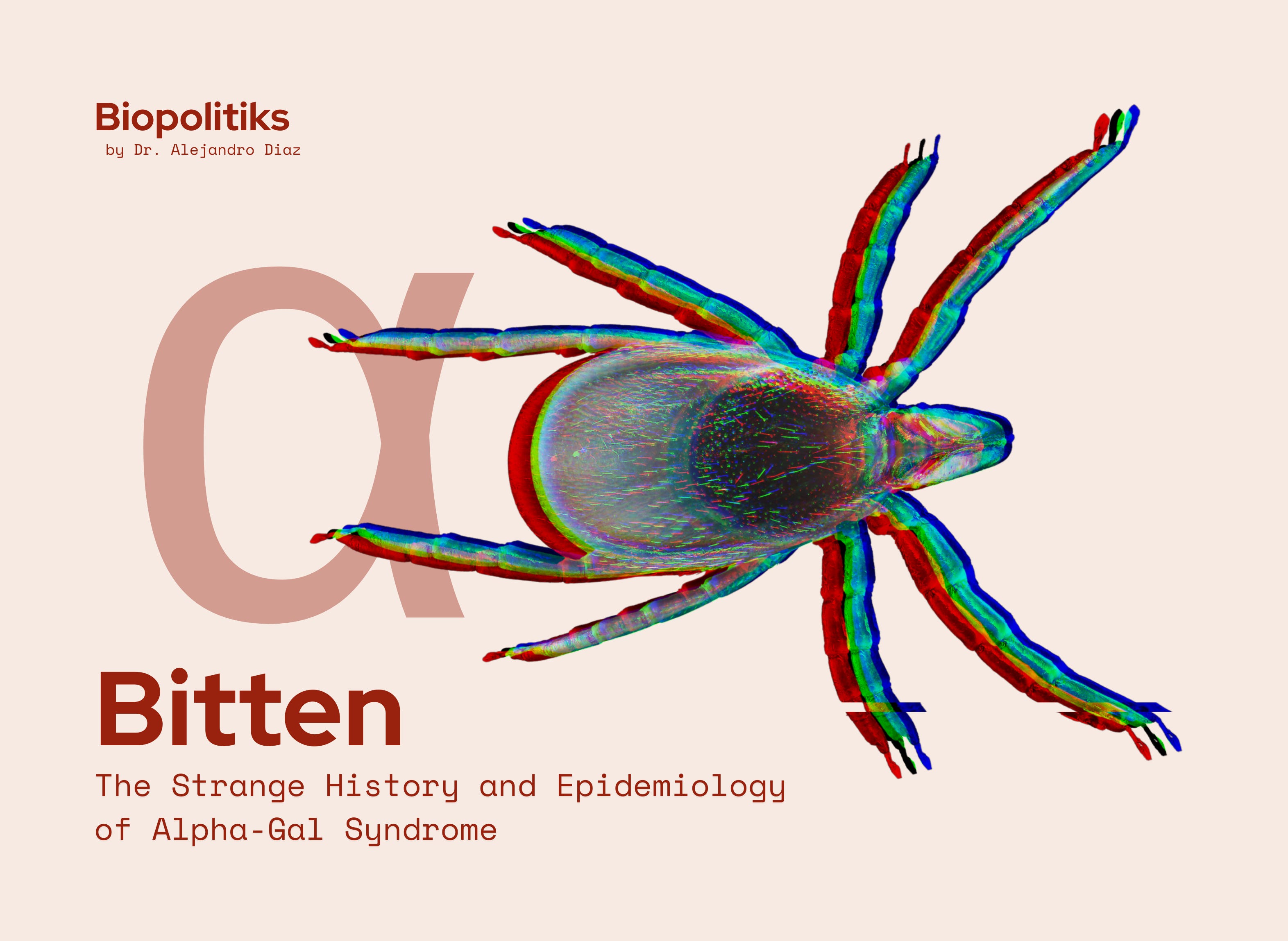
There has been a recent uptick (no pun intended) in discussion regarding the relatively novel Alpha-Gal Syndrome (AGS). Its strange behavior and epidemiology have many in the scientific community asking questions about its rapid and mysterious emergence. Between 2017 and the end of 2022, the Centers for Disease Control and Prevention (CDC) reported receiving over 350,000 Alpha-Gal syndrome tests from US households. Approximately 30% of the tests, equivalent to 90,000 test results, returned positive and were classified as suspected cases of Alpha-Gal Syndrome. How can we interpret these numbers? Are they large, are they small? First, it’s important to provide some context. Let’s dive into the history and clinical behavior of this mystery syndrome.
Alpha-Gal is a tick-associated allergic condition characterized by immunoglobulin E (IgE)-mediated hypersensitivity to galactose-alpha-1,3-galactose (alpha-gal), a carbohydrate composed of a short chain of simple sugar units, usually found in non-primate mammalian tissues but not in humans, and to products derived from it, as well as to some pharmaceutical products. In lay terms, it is a tick-borne disease that causes those bitten to develop a potentially life-threatening allergic reaction when consuming red meat, milk, dairy, or certain pharmaceutical products.

Alpha-Gal Syndrome or AGS differs from other allergies in several ways, however. Some of the symptomatology is atypical compared to traditional IgE-mediated allergies. For example, a study found that up to 20% of cases had isolated GI symptoms. Additionally, other non-classical symptoms include chronic pruritus, joint pain, and arthritis.
The most significant data point is the alarming incidence of anaphylaxis in patients with AGS. One study determined that up to 60% of cases involved anaphylactic reactions. These anaphylactic reactions are also atypical in their behavior. They set in five or six hours after contact with the allergen.
Alpha-Gal Syndrome was first described in 2007 by Australian immunologist Dr. Sheryl Van Nunen, who published the earliest clinical evidence linking tick bites to mammalian meat allergy. Around the same time, the University of Virginia’s Division of Allergy and Clinical Immunology, led by Dr. Thomas Platts-Mills, expanded the discovery. Dr. Platts-Mills is credited with identifying the molecular basis of the disease following an article published in the New England Journal of Medicine. His team’s work began when clinical researchers reached out to investigate atypical reactions to the cancer drug Cetuximab. In the year of its release, patients in certain regions of the United States reported developing allergic reactions to the drug, which ultimately led to the recognition of galactose-α-1,3-galactose (alpha-gal) as the culprit behind delayed allergic responses to red meat.

Dr. Thomas Platts-Mills uncovered a startling truth: immunoglobulin E (IgE), long thought to bind only to proteins, could also target a carbohydrate, galactose-α-1,3-galactose, better known as alpha-gal. The discovery emerged when patients suffered severe, often delayed, anaphylactic reactions to the cancer drug Cetuximab. By isolating the antibody response, Platts-Mills demonstrated that IgE was binding to this carbohydrate epitope embedded in the drug. This revelation overturned conventional wisdom in allergy science, exposing a new pathway of sensitization linked to tick bites. It laid the foundation for recognizing Alpha-Gal Syndrome as a distinct and novel food allergy, one triggered not by protein, but by a sugar introduced through ectoparasite exposure.
A 2023 CDC analysis estimated that up to 450,000 people nationwide might have developed this allergy since 2010. This number likely underrepresents the true burden due to limited awareness and frequent misdiagnosis, even in the realm of allergology. The rise in AGS cases coincides with the geographic range expansion of the lone-star tick, which is the primary vector associated with sensitization. Although most cases of Alpha-Gal Syndrome are managed with avoidance and emergency treatment, the condition can be deadly. In fact, the first confirmed fatality linked to AGS in the United States was reported in 2024.
We’ve eaten red meat for thousands of years. We’ve battled ticks for just as long. The real question is: what shifted, and why now?
While Alpha-Gal Syndrome may feel like a new frontier in tick-borne illness, it is not the first time ticks have been at the center of medical mystery and controversy. The history of Lyme disease offers a cautionary parallel.
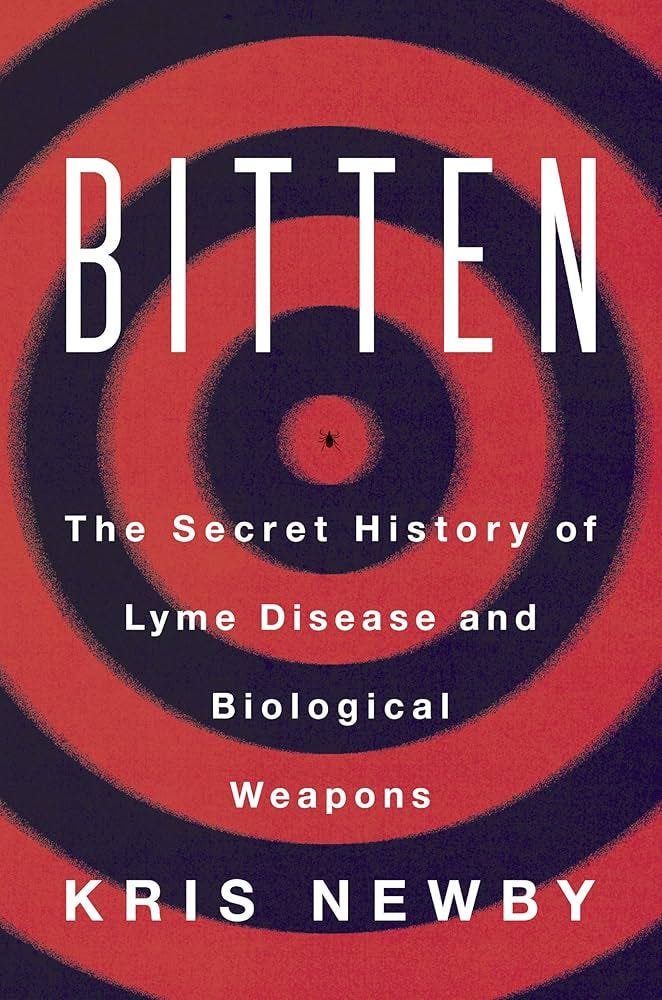
In the book Bitten: The Secret History of Lyme Disease and Biological Weapons, science writer Kris Newby recounts her own struggle with Lyme disease and raises unsettling questions about its origins. Through interviews with Willy Burgdorfer, the scientist who discovered the Lyme bacterium, Newby explores whether Cold War-era bioweapons research involving ticks may have inadvertently contributed to the spread of Lyme disease. Though these claims remain disputed, the book underscores how secrecy and lack of transparency have fueled public mistrust around tick-borne epidemics.
That mistrust is magnified by the sheer scale of Lyme disease today. The Centers for Disease Control and Prevention estimates that approximately 476,000 Americans are diagnosed and treated for Lyme disease each year, making it the most common vector-borne illness in the country. Yet only about 89,000 confirmed cases were officially reported in 2023, highlighting a vast gap between surveillance data and real-world diagnoses. The disease is heavily concentrated in the Northeast, mid-Atlantic, and upper Midwest, where more than 95% of cases occur, but its range has steadily expanded. This disconnect between reported and actual cases mirrors the themes of Bitten: a disease that is widespread, poorly tracked, and surrounded by uncertainty, fertile ground for speculation about its true origins.
This theme of secrecy is also echoed in the story of Plum Island, a small federal island off the coast of Long Island, New York. Since the 1950s, Plum Island has housed the Plum Island Animal Disease Center, a facility dedicated to studying foreign animal pathogens such as foot-and-mouth disease. Officially, its mission has been defensive: protecting American agriculture. Yet its restricted access and history of Cold War research have made it a magnet for speculation.

Michael Carroll’s book Lab 257 amplified these concerns, alleging safety lapses at Plum Island and suggesting possible links between its research and outbreaks of Lyme disease or other emerging pathogens. Government agencies have consistently denied these claims, emphasizing that Plum Island’s work was focused on animal health, not human bioweapons. Still, the proximity of Plum Island to Lyme, Connecticut, the town where Lyme disease was first identified, has kept conspiracy theories alive.
Why This Matters for Alpha-Gal Syndrome
The parallels are striking. Alpha-Gal Syndrome, like Lyme disease before it, is a tick-associated condition that emerged suddenly, spread widely, and left patients struggling for recognition. The unusual nature of AGS, delayed allergic reactions, atypical symptoms, and its potential to cause life-threatening anaphylaxis have only heightened speculation.
For Alpha-Gal Syndrome, the challenge ahead is ensuring that research remains transparent, data-driven, and responsive to patient needs so that this condition is understood as a legitimate medical reality, not dismissed as fringe or conspiratorial.
It is undeniable that the COVID Operation ushered in a new era in how societies think about biological threats. Whether viewed through the lens of public health or national security, governments and institutions have recognized that the fear of disease through mass formation and the disruption it brings to daily life can be as powerful as the pathogen itself. History shows us that uncertainty and mistrust often magnify the impact of outbreaks. In this sense, the most efficient way to control populations may not be through traditional weapons, but rather through the manipulation of health, fear, and information.
The story of Alpha-Gal Syndrome and the controversies surrounding tick-borne diseases cannot be separated from the broader context of biotechnology and biosecurity. Just as the books Bitten and Lab 257 raised questions about the hidden history of pathogens and government labs, today’s innovations in genetic engineering raise new debates about how far science should go in controlling nature.
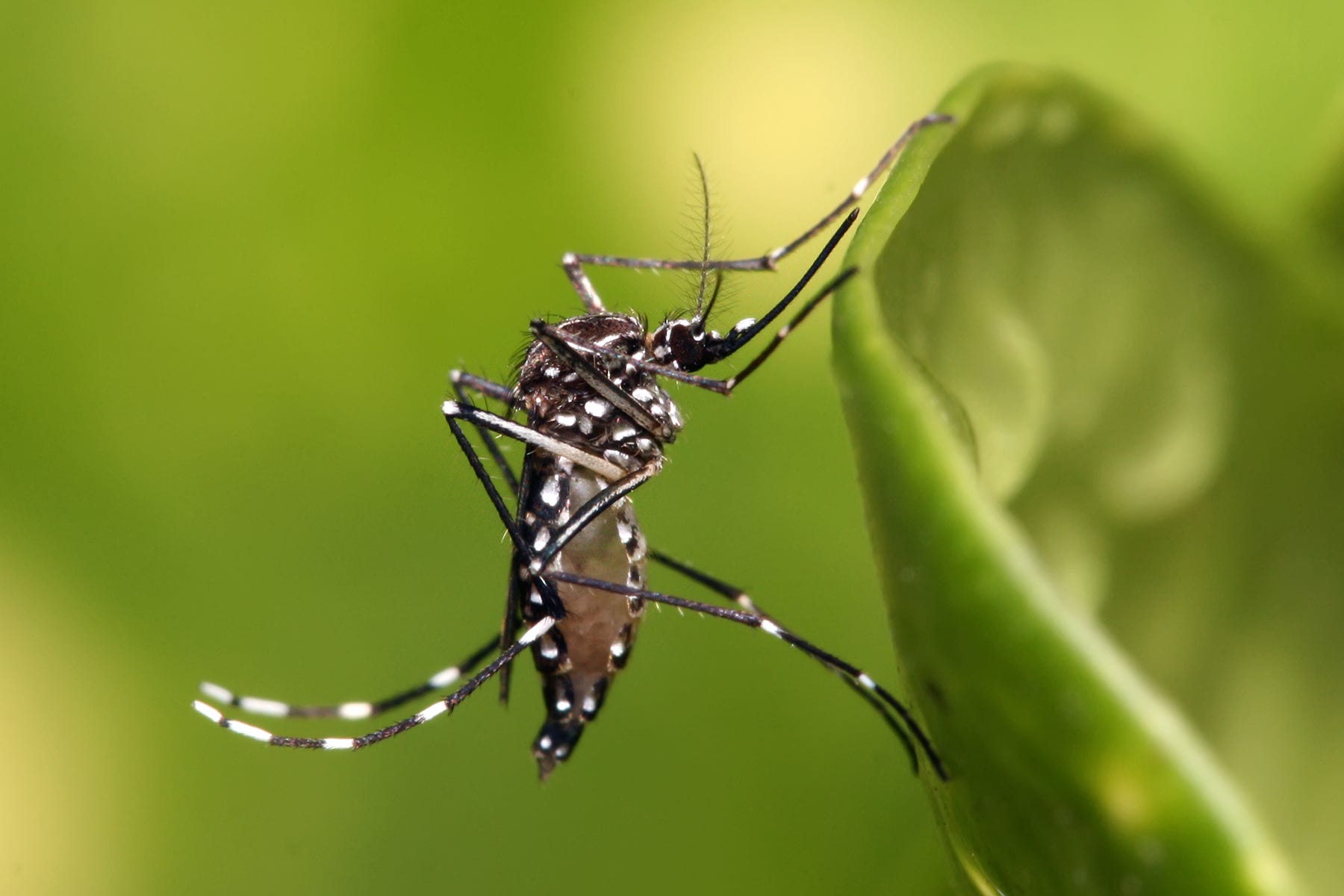
Oxitec, a British biotech company pioneering genetically engineered mosquitoes to suppress disease‑carrying populations, represents the radical idea of collapsing mosquito populations. The Gates Foundation also supports the World Mosquito Program, which takes a different approach: turning mosquitoes into allies by infecting them with Wolbachia bacteria that block disease transmission. Beyond mosquitoes, the foundation has invested in All Things Bugs, a company developing insect-based food technologies with the intention to transform insects into sustainable protein sources. And Gates’ vision extends even further into the food system: he has invested in startups such as Memphis Meats (now UPSIDE Foods) and Mosa Meat, leaders in cultivated meat research. He argues that traditional livestock farming cannot sustainably feed a growing global population, while lab-grown meat could reduce greenhouse gas emissions, land use, and animal suffering. In 2023, UPSIDE Foods, backed by Gates, received USDA approval to sell cultivated chicken in the U.S.
Yet these projects raise a deeper question: why is Gates so fixated on re-engineering biology itself, redesigning mosquitoes, repurposing insects as food, and even growing meat in laboratories? Is this relentless drive to manipulate life a bold solution to global health and sustainability, or does it reveal a deeper obsession with controlling nature rather than learning to coexist with it? Biotechnology promises breakthroughs, but it also forces us to confront whether innovation is solving problems or creating new ones in the very fabric of food and health. Perhaps the real issue is not what we can engineer, but why we are so determined to engineer it at all.
This represents the new frontier of biological control, whether through ticks that trigger unexpected allergies, labs that may have mishandled pathogens, or biotech firms releasing engineered insects. In the post-COVID era, it is undeniable that fear of disease has become one of the most efficient ways to shape societies.
If we have learned anything from the COVID Operation, it’s that toying with nature and biological re-engineering can have profound effects on the globe. The next generation of bioethics must surround this issue. We face a pressing challenge ahead in the world of biotech and public health, advancing technology while not overstepping the bounds of nature.
Alpha-Gal Syndrome reminds us that the boundary between natural disease and human intervention is often blurred. From the unsettling questions raised about Lyme disease to modern biotech experiments like Oxitec’s genetically modified insects, the common thread is clear: health has become both a battleground and a lever of influence. In the wake of the COVID Operation, societies have entered a new era where fear of disease can shape economies, politics, and daily life as profoundly as war itself. Whether these conditions arise from nature, negligence, or deliberate design, the lesson is the same: transparency, accountability, and open-source science are the only antidotes to both pathogens and the paranoia they inspire. And yet, the deeper question remains: how far are we, as a society, willing to go in this direction?
FIN
Biopolitiks by Dr. Alejandro Diaz
About Me
I am a Pediatric Allergist / Immunologist and Global Health Expert with extensive international experience, most recently named Chief of Pediatric Medicine at The Wellness Company. I have delivered conferences in over 30 countries around the globe on medicine, migration, biosecurity, and related topics. This includes prestigious venues such as the White House, the US Capitol, the Romanian Parliament, the European Parliament in Brussels, the Mexican Senate of the Republic, the United Nations in Geneva, the German Bundestag, and the Japanese Parliament, among others.
My career encompasses diverse roles in healthcare, including private practice, health systems, and advisory positions for medical service companies, governments, and government entities worldwide.
And there is this very interesting position by Sasha Latypova:
https://sashalatypova.substack.com/p/anaphylaxis-alpha-gal-pasteur-richet?utm_source=publication-search
"Note that I do not dismiss Lyme disease, as I think it is very real. However, I agree that ticks (or “weaponized” ticks, whatever that means) are likely not the primary cause of it. Ticks may be involved as an additional vector between anaphylactized humans or humans and animals (passive anaphylaxis). “Weaponized” ticks, mosquitoes and viruses are typical misdirections, gaslighting narratives designed to make you fear the invisible unknown threats and clamor for more government protection. This is how the the trillion-dollar “biodefense” racket get justified by the same people who poison you with 100 “very safe” vaccines. Don’t fall for this." -Sasha Latypova
Bioethics. 2025 Oct;39(8):772-781.
doi: 10.1111/bioe.70015. Epub 2025 Jul 22.
Beneficial Bloodsucking
Parker Crutchfield, Blake Hereth PMID: 40693342 DOI: 10.1111/bioe.70015
Abstract
The bite of the lone star tick spreads alpha-gal syndrome (AGS), a condition whose only effect is the creation of a severe but nonfatal red meat allergy. Public health departments warn against lone star ticks and AGS, and scientists are working to develop an inoculation to AGS. Herein, we argue that if eating meat is morally impermissible, then efforts to prevent the spread of tickborne AGS are also morally impermissible. After explaining the symptoms of AGS and how they are transmitted via ticks, we argue that tickborne AGS is a moral bioenhancer if and when it motivates people to stop eating meat. We then defend what we call the Convergence Argument: If x-ing prevents the world from becoming a significantly worse place, doesn't violate anyone's rights, and promotes virtuous action or character, then x-ing is strongly pro tanto obligatory; promoting tickborne AGS satisfies each of these conditions. Therefore, promoting tickborne AGS is strongly pro tanto obligatory. It is presently feasible to genetically edit the disease-carrying capacity of ticks. If this practice can be applied to ticks carrying AGS, then promoting the proliferation of tickborne AGS is morally obligatory.
Keywords: eating meat; meat allergy; moral bioenhancement; tickborne syndrome; veganism.
--------
Bioethics. 2019 Jan;33(1):112-121.
doi: 10.1111/bioe.12496. Epub 2018 Aug 29.
Compulsory moral bioenhancement should be covert
Parker Crutchfield PMID: 30157295 DOI: 10.1111/bioe.12496
Abstract
Some theorists argue that moral bioenhancement ought to be compulsory. I take this argument one step further, arguing that if moral bioenhancement ought to be compulsory, then its administration ought to be covert rather than overt. This is to say that it is morally preferable for compulsory moral bioenhancement to be administered without the recipients knowing that they are receiving the enhancement. My argument for this is that if moral bioenhancement ought to be compulsory, then its administration is a matter of public health, and for this reason should be governed by public health ethics. I argue that the covert administration of a compulsory moral bioenhancement program better conforms to public health ethics than does an overt compulsory program. In particular, a covert compulsory program promotes values such as liberty, utility, equality, and autonomy better than an overt program does. Thus, a covert compulsory moral bioenhancement program is morally preferable to an overt moral bioenhancement program.
Keywords: autonomy; harm; moral enhancement; public health ethics; public policy.